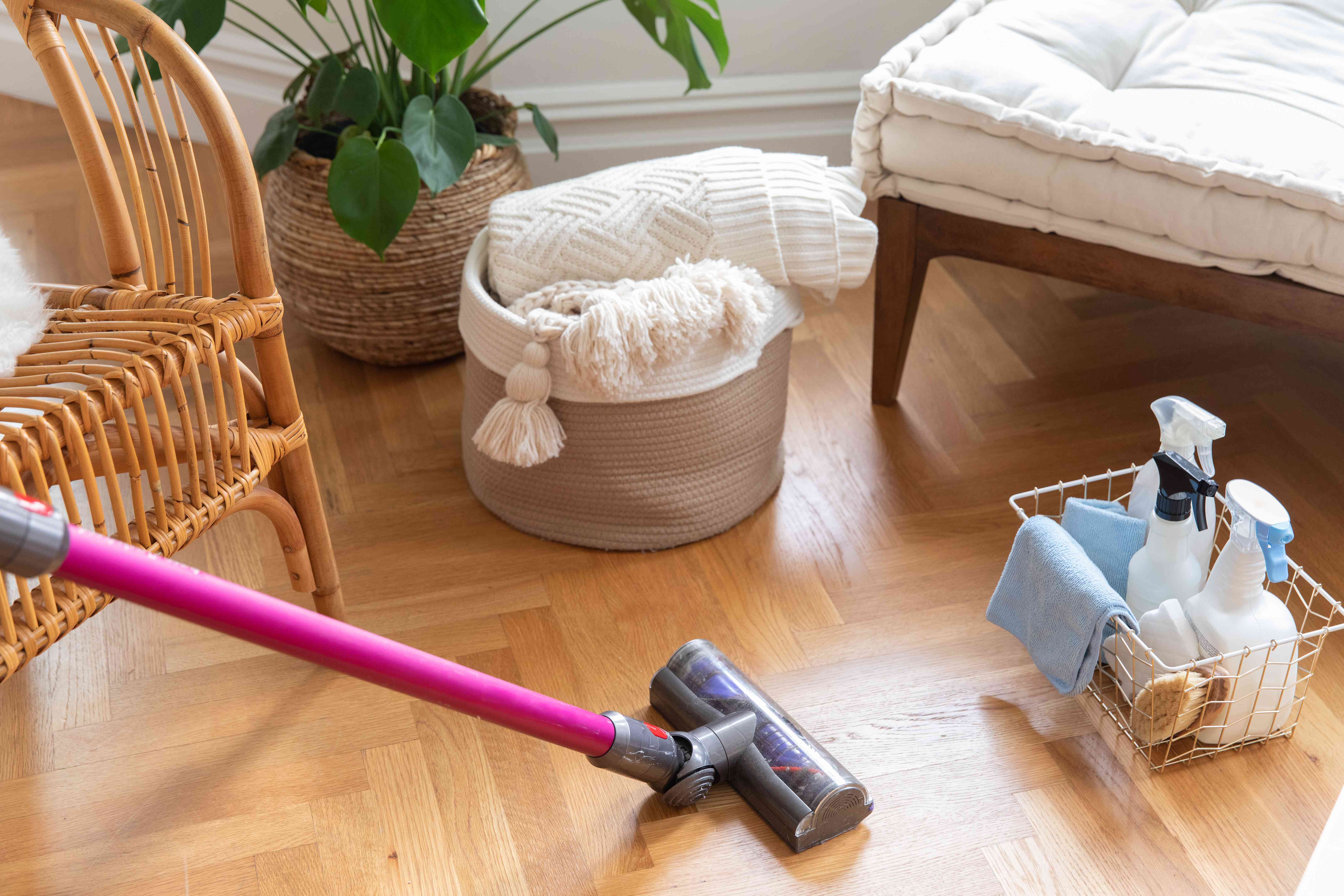
We clean a lot of homes. Over the years, we've noticed patterns — the things people consistently miss, the products that get overused, the routines that work and the ones that don't. This article draws on that experience. It's not a set of life hacks. It's practical advice from people who spend most of their working hours cleaning.
Start with the right mindset
One of the most common mistakes in home cleaning is trying to do too much at once. Cleaning the entire house from top to bottom in a single session is exhausting, often leads to corners being cut, and makes you less likely to want to do it again soon. A better approach: shorter, more frequent efforts focused on the areas that matter most.
The other mental shift worth making is separating "tidying" from "cleaning." Tidying is about moving things to where they belong. Cleaning is about removing dirt, grease, bacteria, and dust. Both matter, but doing them in the wrong order wastes effort. Tidy first, then clean — otherwise you're moving clutter around instead of cleaning the surface underneath it.
The kitchen: where consistency pays off most
Of all the rooms in a home, the kitchen accumulates grime the fastest. Grease from cooking settles on surfaces, cutting boards develop bacterial build-up, and the sink drain can become a reliable source of unpleasant smells if left alone. A few habits make a significant difference:
Wipe down the stovetop after every use
This sounds obvious but it's the single most effective kitchen habit. Fresh grease and food spills wipe off easily with a damp cloth. Day-old grease requires a dedicated degreaser and a fair bit of effort. Two minutes of wiping after cooking saves twenty minutes of scrubbing later.
Don't let dishes sit more than a few hours
Food residue hardens. Soaking helps, but the longer dishes sit, the more scrubbing is needed. Washing dishes as you go — or at minimum before bed — is more efficient than letting a pile accumulate.
Clean the fridge once a month
Take everything out, wipe the shelves with warm soapy water, and check expiry dates. This is best done when the fridge is relatively empty — just before a grocery run. You'll notice smells earlier, prevent cross-contamination, and spend less time in the fridge deciding what's still safe to eat.
The sink drain
A mixture of hot water and baking soda flushed down the drain every couple of weeks helps with buildup and odors. If the drain runs slow, a simple drain snake addresses most blockages without chemical drain cleaners, which can damage older pipes over time.
Bathrooms: the area people underestimate
Bathrooms are small, which makes people think they're quick to clean. They're not — because they have many surfaces, many of which need different treatments, and because they accumulate soap scum, hard water deposits, and moisture-driven mildew faster than most other rooms.
The toilet
Most people clean the bowl but overlook the outside. The base of the toilet, the underside of the seat hinge, and the area where the toilet meets the floor are among the dirtiest spots in most bathrooms. Wipe these with a disinfectant cloth weekly — it takes a minute but makes a genuine difference in hygiene.
Soap scum on shower screens
A squeegee used after every shower is the best preventive tool available. Thirty seconds of effort after each use dramatically slows the buildup of soap scum. If you're dealing with existing buildup, white vinegar left on the screen for fifteen minutes and then scrubbed off is effective on most glass. For stone or tile, check that vinegar is appropriate — it can damage some natural stone finishes.
Ventilation
Mold in bathrooms is almost always a ventilation problem. Run the exhaust fan during and for fifteen minutes after showers. If your bathroom lacks a fan, leaving the door open after use helps moisture escape. Regular cleaning prevents surface mold from establishing, but without adequate ventilation, it will keep returning.
Living areas: the accumulation problem
Living rooms and bedrooms tend to accumulate rather than actively generate dirt. Dust collects, things pile up, surfaces get cluttered. The main challenges are dust management and maintaining clear surfaces for easy cleaning.
Dusting before vacuuming
Always dust before you vacuum. Dusting knocks particles onto the floor; vacuuming removes them. If you vacuum first, you've missed everything that falls during dusting. Start high — shelves, light fixtures, picture frames — and work your way down.
Upholstery
Fabric sofas and armchairs are rarely cleaned properly. Use the upholstery attachment on a vacuum for cushions and the back of the sofa monthly. For spills, blotting (not rubbing) with a clean cloth is the first response. Rubbing spreads the stain and pushes it deeper into the fabric.
Under the furniture
Dust bunnies accumulate under beds, sofas, and furniture you rarely move. Depending on how many pets you have and how much foot traffic the room gets, vacuuming under furniture monthly or quarterly is a good practice. It also prevents allergen buildup, which is relevant if anyone in the household has dust sensitivities.
Products: less is more
The cleaning product aisle in most supermarkets is overwhelming, and the marketing suggests you need a different product for every surface. In practice, most homes can be maintained well with a small set of products:
- An all-purpose spray (suitable for most non-porous kitchen and bathroom surfaces)
- A toilet bowl cleaner
- A glass cleaner (or diluted white vinegar for most windows)
- A floor cleaner appropriate for your flooring type
- Baking soda and white vinegar for drains and occasional scrubbing
Beyond these, most specialty products duplicate what the above can do. The exception is if you have specific surface types — natural stone, unsealed wood, or specialty finishes — that require particular care.
One common mistake: mixing cleaning products. Never combine bleach with ammonia or acid-based cleaners (like vinegar). The reactions can produce toxic gases. When in doubt, use one product at a time and rinse thoroughly before applying another.
Building habits rather than schedules
Cleaning schedules work for some people and fail entirely for others. A more reliable approach is attaching small cleaning tasks to things you already do regularly. Wiping the stovetop while dinner is still warm. Cleaning the bathroom mirror when you're in there getting ready. Putting things away immediately rather than setting them down "for now."
These micro-habits don't eliminate the need for a proper clean, but they reduce how often a full clean is needed and how long it takes when you do it. The goal isn't a spotless home — it's a home that doesn't feel like it's getting away from you.
When to call in help
Some cleaning jobs are genuinely difficult without professional equipment or products — deep oven cleaning, tile grout, post-renovation dust, the inside of a dryer vent. Others are just time-consuming, and your time has value. A professional clean every few months, combined with good day-to-day habits, tends to be more effective than trying to manage everything yourself.
If you're in Ottawa and would like a quote for a standard or deep clean, you can reach us through the contact page. We're happy to discuss what would actually be useful for your situation, without any pressure.